Most B2B companies think they have a brand. They have a logo, maybe some brand colors, a font they use in presentations. It looks fine. It does the job.
Then they hire their fifth employee. Or land a bigger client. Or start showing up to conferences. And suddenly, "fine" isn't fine anymore. The website doesn't match the pitch deck. The sales rep is using a logo from three years ago. Nobody can agree on what shade of blue is "the brand blue."
That's not a design problem. That's a systems problem. And a logo can't fix it.
These terms get used interchangeably. They shouldn't.
Brand identity is what your brand looks like. The logo, the colors, the typeface. Assets. And assets are static. They sit in a folder somewhere, and when someone needs them, they either find the right file or they don't.
A brand system is how your brand works. It's the assets plus the rules, the rationale, and the documentation that tells anyone on your team exactly how to use them. It answers questions before they get asked. It keeps everything consistent without requiring a designer to sign off on every email signature.
Brand identity is a deliverable. Brand systems are infrastructure.
A complete brand system has several layers, and each one serves a specific function.
Visual Identity: Logo variations for different contexts, a color palette with actual hex codes and usage rules, a typography system with clear hierarchy, photography guidelines, and supporting graphic elements. This is where most agencies stop.
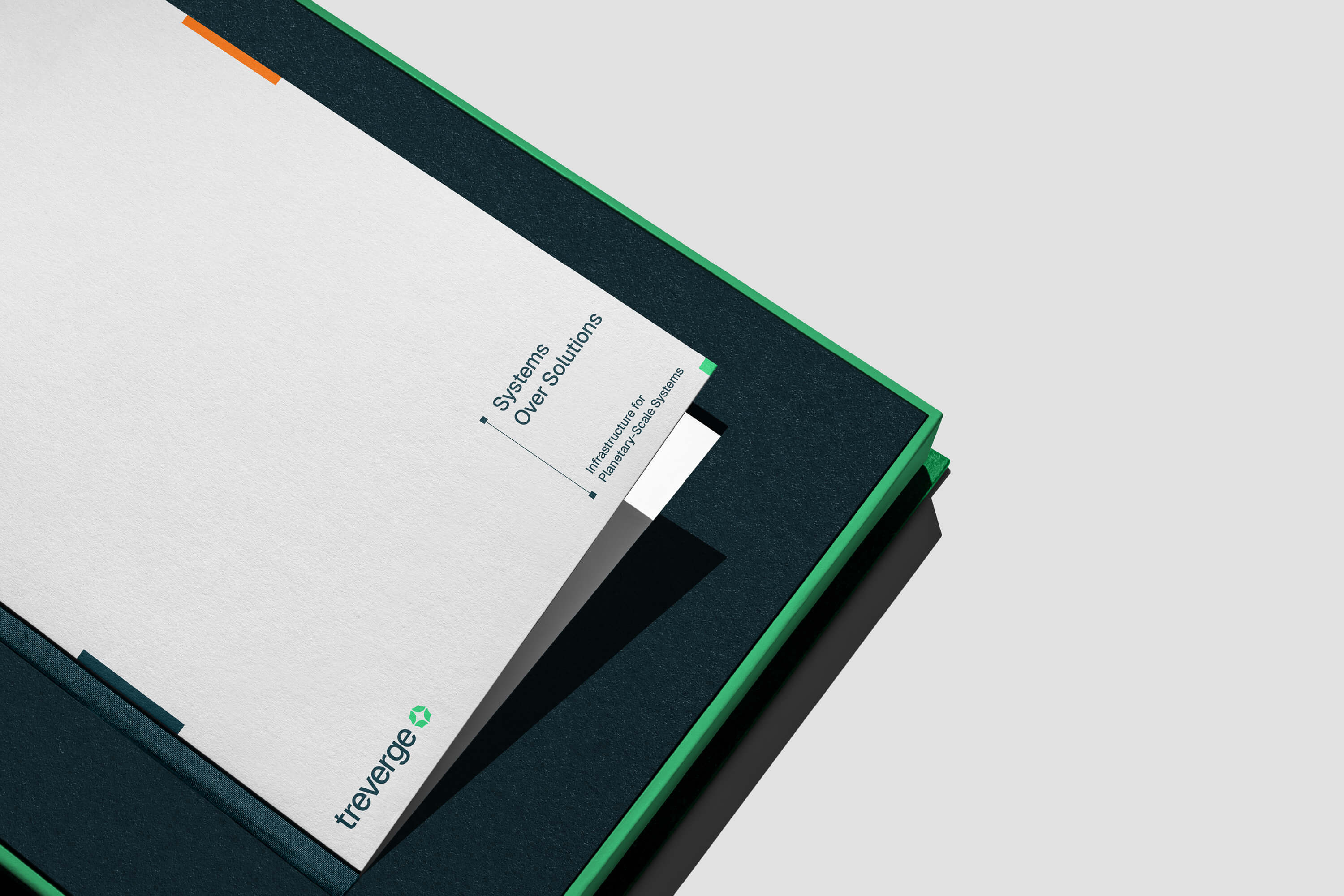
Application Design: Your brand needs to work across everything you actually use. Pitch deck templates, business card designs, email signatures, social media templates, letterhead. The application layer takes the visual identity and proves it works in the real world.
Documentation: This is what separates a brand system from a brand identity. Comprehensive guidelines that explain not just what the brand looks like but why. Usage rules with real examples. Do's and don'ts that a new hire can understand on day one. Without documentation, you have a nice logo and a folder full of assets. With it, you have something your entire team can use independently.
B2B companies have a specific problem that consumer brands don't face in the same way. Your touchpoints are different.
You're not buying shelf space or running TV ads. You're sending pitch decks to investors. Showing up in procurement portals. Being evaluated by people making significant financial decisions, often without ever meeting you in person.
In that environment, inconsistency signals something. It tells a prospective client or investor that you don't sweat the details. Maybe that's unfair. But it's how it reads.
A brand system creates consistency at scale, not through micromanagement but through clear rules anyone can follow. Your team doesn't need to call the designer before making a one-pager. The system tells them what to do.
Not every company needs this right now. But these are the signals that you do.
You've outgrown your existing brand. Maybe a freelancer built it when you had two people. Maybe the founding partner designed the logo. Whatever it was, it made sense then. It doesn't scale now.
Nothing looks consistent anymore. Your website, your proposals, and your LinkedIn presence feel like they came from three different companies.
You're scaling. New hires, new services, new markets. You need people to operate within your brand without constant oversight.
You're raising capital or going after bigger clients. Investors and enterprise buyers notice brand quality at higher levels.
If any of these sound familiar, a logo refresh isn't going to solve it. You need a system.
At the end of a brand systems engagement, you get everything your team needs to maintain the brand independently. Every logo variation in every file format. Typography licenses. Color specs for print and digital. Fully built templates for the things you actually use. And a comprehensive guidelines document that explains how all of it works.
We walk your team through the system before we close out. The system only works if people know how to use it. The goal is that six months after delivery, your team is creating brand-consistent work on their own. No designer required for every decision. No inconsistency creeping back in.
A complete brand system takes 8-12 weeks from start to finish. Discovery, visual direction, system design, application testing, full delivery with documentation.
The investment ranges from $8K to $25K depending on scope. Most B2B companies in our sweet spot land between $10K and $15K.
Most B2B companies invest in brand identity when they actually need brand systems. Identity is assets. Systems are infrastructure. Infrastructure scales. Assets don't.
If you're growing, you need more than a logo. You need a documented framework your whole team can use, that represents your company at every touchpoint, and holds up as you get bigger.
That's what a brand system is. That's why it matters.
See brand systems in action: View our work