An identity is how a company looks and sounds. A brand system is what makes that identity work everywhere, for everyone on the team, without you in the room.
The two terms get used as if they mean the same thing. They don't. The gap between them is where most growing firms get stuck.
An identity is the visible and audible part of a brand: the logo, color, typography, imagery and tone of voice. You will also hear it called a brand identity. It is what people see first, and a good one is distinct and hard to forget.
Done well, it is built as a system. That means rules for how the logo is used and where it never goes, which colors lead and which support, how type is sized and paired, and which templates the team starts from. That keeps the visuals consistent as the team grows.
What an identity does not do is tell your team what to say, who to say it to, or what to call the next product. For a small company, that is fine. The founder fills the gaps. The trouble starts when more people are making decisions. An identity tells people what you look like.
A brand system tells people what you stand for and gives your team the rules to prove it. It covers four layers, built from the outside in:
The order matters. When the mark comes first, it has nothing to be based on, so it becomes a guess. When it comes last, it is the visible result of decisions already made. The mark is the seed of the system, not the system itself.
A firm with an identity and no brand system usually notices it in small ways first:
Most people find us through the visuals. They see the work, like it, and ask for something similar. That makes sense. The visuals are the part you can see.
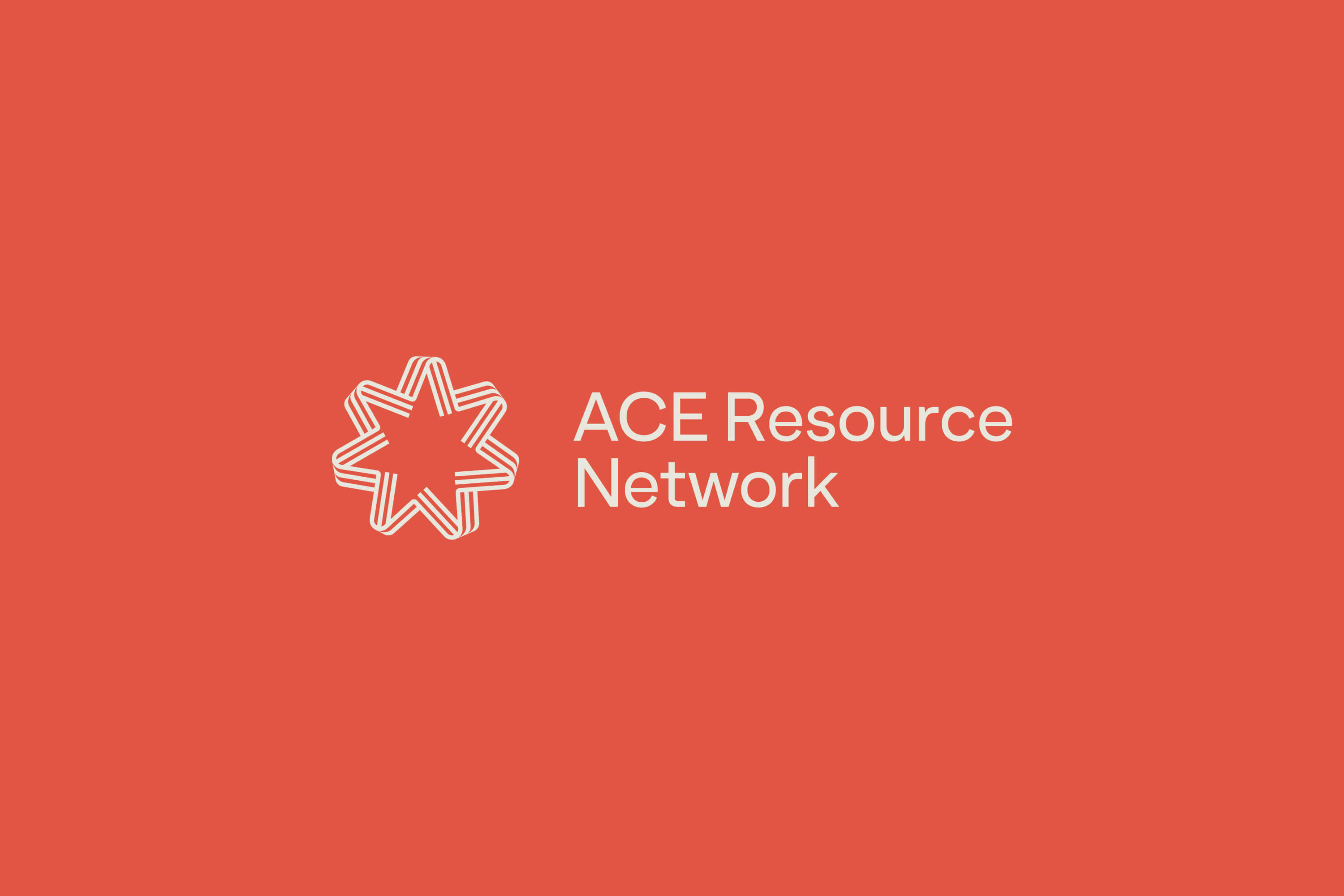
What they don't see is everything underneath. Take ACE Resource Network. In discovery, the team described the organization as a hub for everyone else's work, and wanted people to feel "there you are," not "here I am." They also named one North Star: breaking the cycle of early childhood trauma. None of that is a logo. All of it shaped the logo. You can read how it came together in the ACE brand system story and in the full case study.
That is the difference between visuals and a brand system. The visuals hold together because of the positioning, the audience, the voice and the naming underneath them. Take that away and what is left is a nice logo no one can build on.
That is why we start with discovery, before any visual work. The visuals are where the decisions show up, not where they get made.
Is a brand system just brand guidelines? No. Guidelines document the rules. A brand system includes the decisions behind them: your position, your audience, your voice and your naming. Without those, guidelines are just a style manual.
Do I need a brand system before I have a logo? You need the thinking behind it first. The logo comes last, so it can be based on something.
How long does it take? About 6 to 8 weeks for a full brand system.
That is the gap, and it is common. It does not mean the logo was wrong. It means the decisions behind it were never written down.
We build brand systems for founders and firms who have outgrown a logo. If that sounds like you, get in touch.